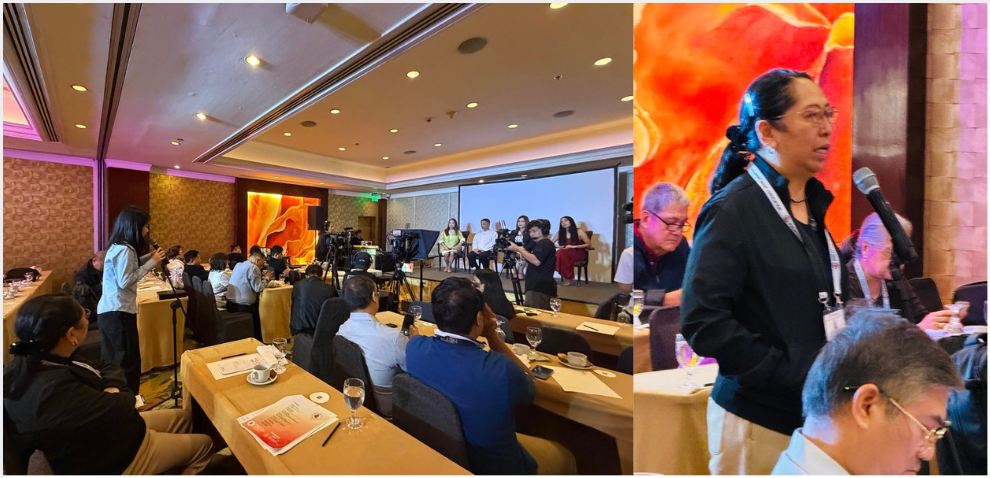
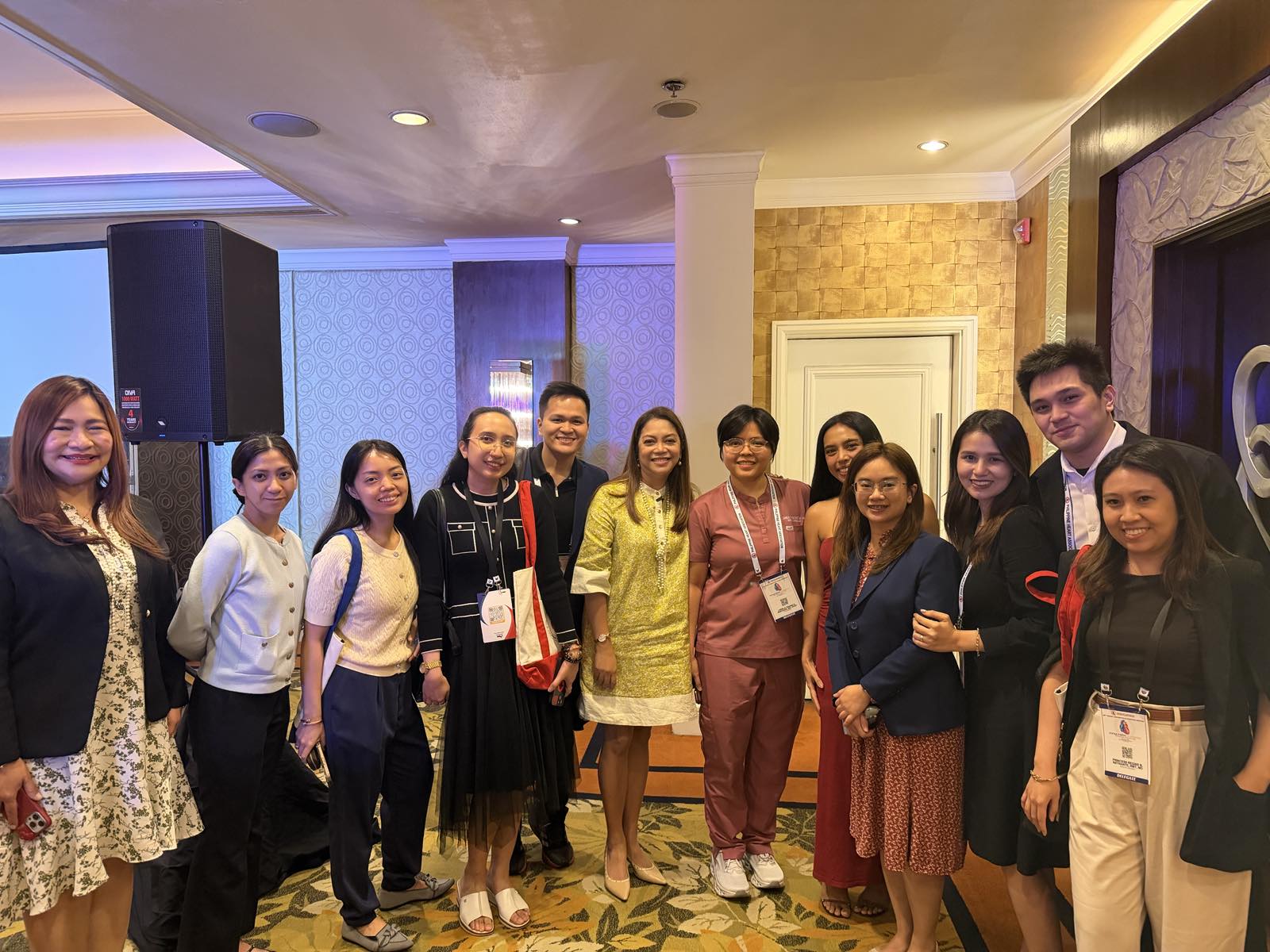
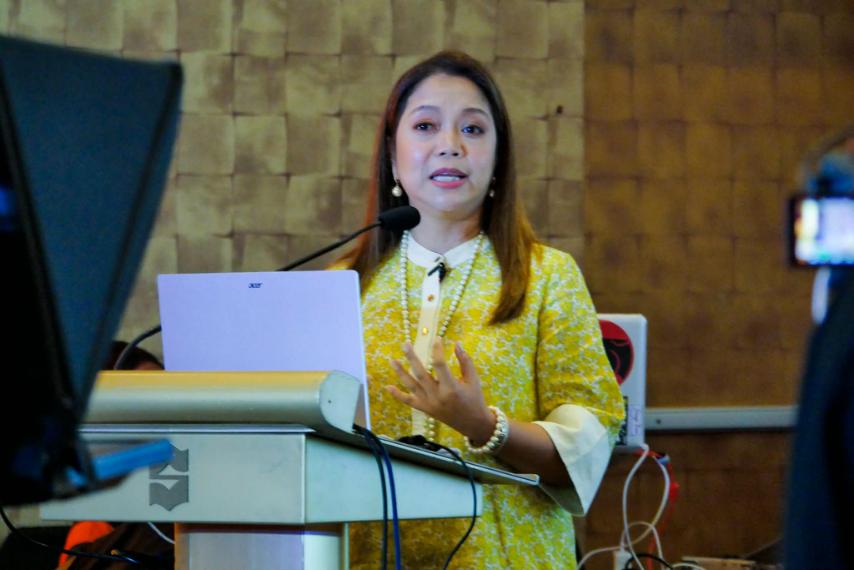
 PHA Director III and Advocacy Hour Committee Chair Dr. Iris Garcia was joined by Philippine Psychiatrist Association President Dr. Joan Mae Perez-Rifareal, actress; television host Hershey Neri, and respected spiritual leader Dr. Ed Lapiz.
She added that among those with hypertension, about 43% may have symptoms of chronic mental illnesses. And for the demographics, for the older adults, more common among them is depression because of the isolation and other risk factors there. And for the younger population and more especially for women, anxiety and distress is more common for those who have these non-communicable diseases.”
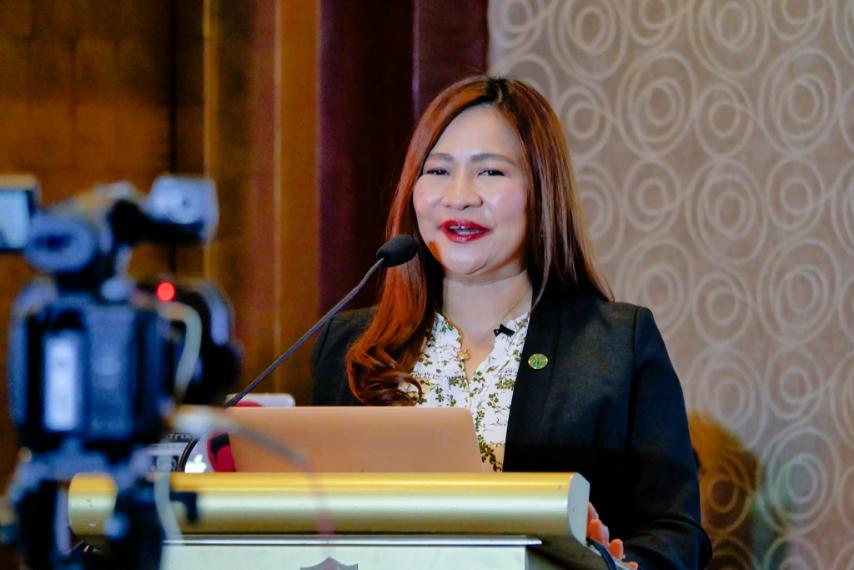
 Actress, content creator, psychology student, and mental health advocate Hershey Neri shared how therapy helped her understand trauma and healing.
She reminded the public that healing can be difficult, but seeking help is an important step toward recovery.
“Healing or going to therapy is like peeling off a band-aid. It hurts because you are healing,” she said.
Neri also encouraged people to show compassion to those who are struggling emotionally.
“Sometimes people do not need advice right away. Sometimes they just want someone to ask, ‘How can I help?’” she said.
“I have more than a thousand bashers, but I have five best friends and my parents. I have seven people who love and support me and they are my safe place,” Neri added as she chose to focus on the people who genuinely support and care for her.
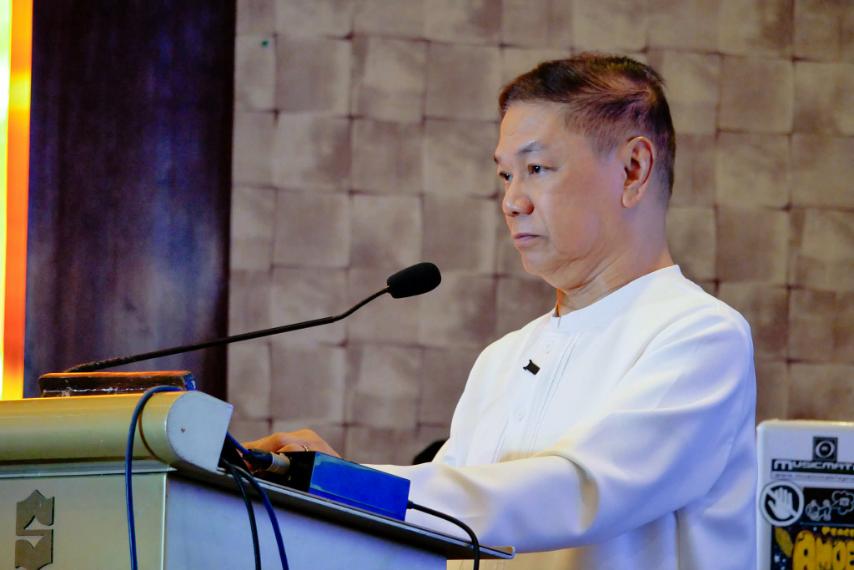
Meanwhile, Pastor Ed Lapiz warned about the emotional burden caused by social media pressure, negativity, and information overload.
“There is a difference between being informed and being invaded by information,” he said.
Lapiz urged the public to protect their peace while staying compassionate.
“Guard the heart, but do not harden it,” he stressed.
The discussion highlighted the need for whole-person heart care. While medicines, exercise, healthy food, blood pressure control, and cholesterol management remain important, emotional wellness, rest, stress management, safe relationships, and professional support must also be part of prevention and recovery.
Panelists urged the public not to wait until emotional struggles become overwhelming before seeking help, stressing that protecting the mind is also part of protecting the heart.